It may look like an ordinary patch of grass, but foxtail barley is something Auburn Bay pet owners should know how to recognize.
Foxtail’s distinctive seed heads can become a problem as they mature and dry, particularly for dogs. The good news? A little awareness, and a few simple steps around your own property, can help reduce the risk.
What is foxtail barley?
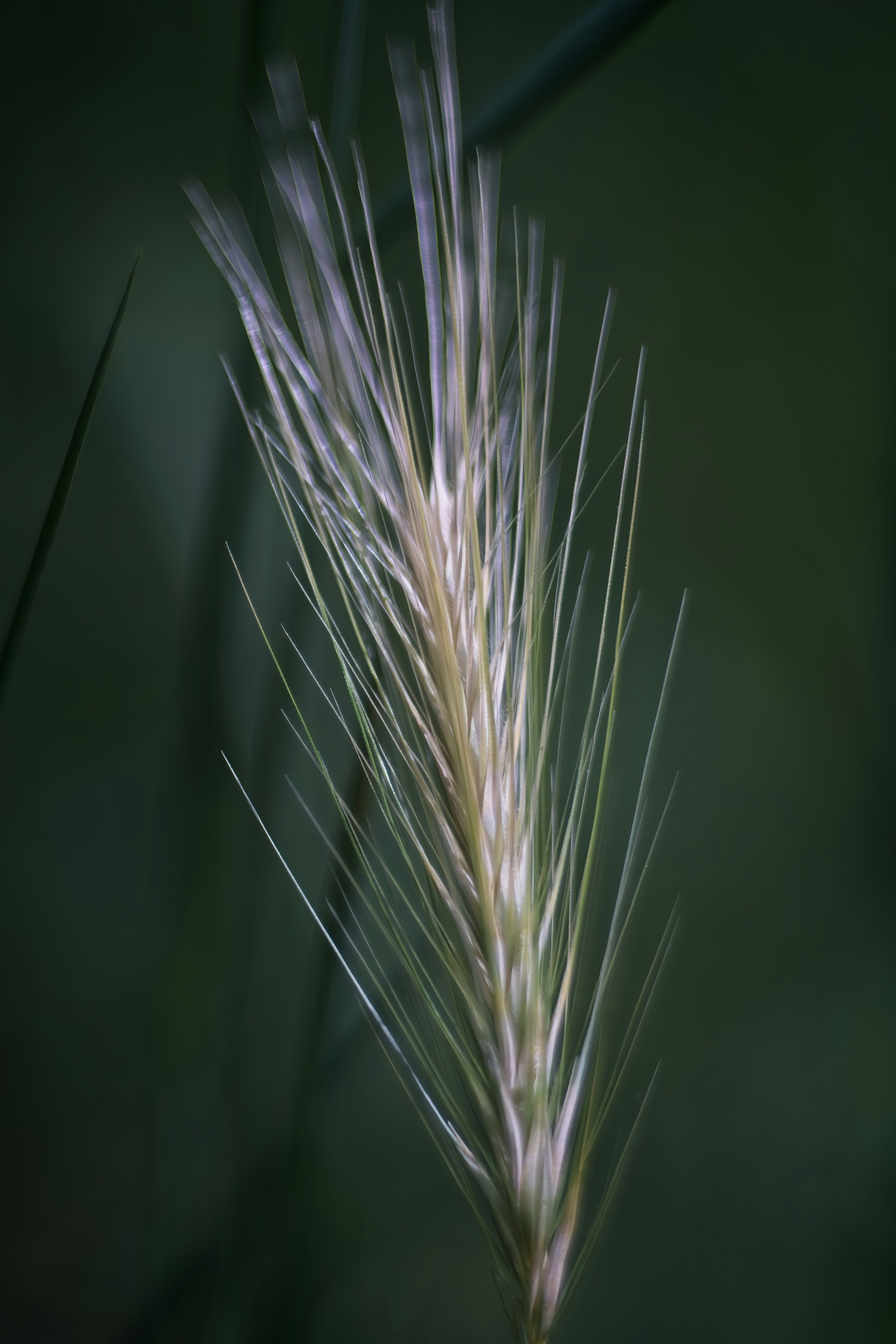
Foxtail barley (Hordeum jubatum) is a native grass commonly found throughout Calgary. It tends to grow particularly well in disturbed areas and soils with lower nutrients or higher salt levels, which is why you may notice it along roadsides, pathways, open areas and other disturbed spaces.
The plant gets its name from its soft, bushy seed head, which resembles a fox’s tail.
As the plant matures, these seed heads dry out and break apart into individual seeds known as awns. The awns have sharp tips that help the plant spread by attaching to new locations and burrowing into the ground.
Unfortunately, those same characteristics can cause problems when an awn comes into contact with a pet.
Why can foxtail be dangerous for dogs?
Foxtail awns have sharp tips designed to help the seed attach and work its way into the ground.
Unfortunately, that same design means they can also become caught in a dog’s fur or lodge themselves in areas such as:
- Between the toes or paw pads
- Ears
- Eyes
- Nose
- Mouth
- Armpits and other skin folds
Because of their shape, embedded awns can continue moving farther into the skin or tissue rather than easily working their way back out. This can cause pain, irritation, infection and other complications.
The risk becomes greater as the plant matures and the seed heads become dry and brittle.
Help stop the spread around your property
If you spot foxtail growing on your property, addressing it before it goes to seed can help prevent it from spreading.
Pull it early
Foxtail can be removed by hand. Grab the plant low near its base and pull slowly and steadily, removing as much of the root as possible.
Wearing gloves and long sleeves is a good idea, particularly when handling mature plants.
Don’t wait until after it seeds
Whenever possible, deal with foxtail while the plant is still young and before its seed heads have dried and begun breaking apart.
If pulling isn’t practical, cutting the plant short before it goes to seed can also help limit its spread.
Bag mature plants
If the plant has already developed mature seed heads, handle it carefully to avoid scattering them around the area. Bag the removed plant material for disposal rather than leaving mature seed heads on the ground.
Check the area regularly
Foxtail can return, so keep an eye on areas where you’ve previously found it and remove new plants before they mature.
A small amount of maintenance early in the season can make a big difference later.
Where should you watch for foxtail?
Foxtail can pop up in a variety of places. Keep an eye out around:
- Fences and property lines
- Pathways and sidewalks
- Open or disturbed areas
- Rocks and landscaped areas
- Roadsides
- Parks and walking trails
When you’re out with your dog, avoiding patches of mature or dried foxtail whenever possible is one of the simplest ways to reduce their exposure.
Give your dog a quick post-walk check
After walking through areas with tall or dry grass, take a minute to check your dog before heading inside.
Pay particular attention to:
Paws: Look between the toes and around the paw pads.
Ears: Check around and underneath the ears, particularly for dogs with long or floppy ears.
Face: Look around the eyes, nose and mouth.
Coat: Run your hands through their fur to catch loose seeds before they have an opportunity to become embedded.
Armpits and skin folds: Don’t forget the less obvious areas where seeds can become trapped.
Keeping longer fur trimmed around the paws, toes and armpits can also make it easier to spot and remove awns.
Signs of a possible foxtail problem
Sometimes an awn isn’t easy to see. Watch for sudden or unusual behaviours after your dog has been outside, including:
- Persistent licking or chewing at a paw
- Limping
- Redness or swelling
- Repeated sneezing
- Shaking or tilting the head
- Scratching at an ear
- Pawing or rubbing at an eye
- Eye redness or discharge
- Coughing or difficulty breathing
If an awn is simply sitting loose in your dog’s outer coat, it can usually be carefully removed before it becomes embedded.
If you think an awn has penetrated the skin or entered your dog’s eye, ear, nose or another difficult-to-reach area, contact your veterinarian rather than trying to dig it out yourself.
Difficulty breathing should always be treated as an emergency.
What about foxtail elsewhere in Auburn Bay?
It’s important to know that foxtail barley is native to Calgary and is not classified as a noxious weed in Alberta. It can grow on a variety of public and private properties throughout the city, and completely eliminating it from an urban environment isn’t realistic.
That makes prevention and awareness especially important.
Residents can help by managing foxtail on their own properties before it goes to seed, watching for it while out with pets and checking dogs after walks through grassy areas.
Together, these small actions can help reduce its spread and make our community safer for our four-legged neighbours.
Spot it. Pull it. Check those paws. 🐾
Foxtail is part of Calgary’s landscape, but knowing how to recognize it—and what to do when you find it—can make a big difference.
If you spot foxtail on your property, tackle it early. If you’ve been out exploring with your pup, take a minute to check their paws, ears and coat when you get home.
A few minutes today can prevent a much bigger problem tomorrow.
This information is provided for general educational purposes and is not a substitute for veterinary advice. If you are concerned that your pet has come into contact with or has an embedded foxtail awn, contact your veterinarian.